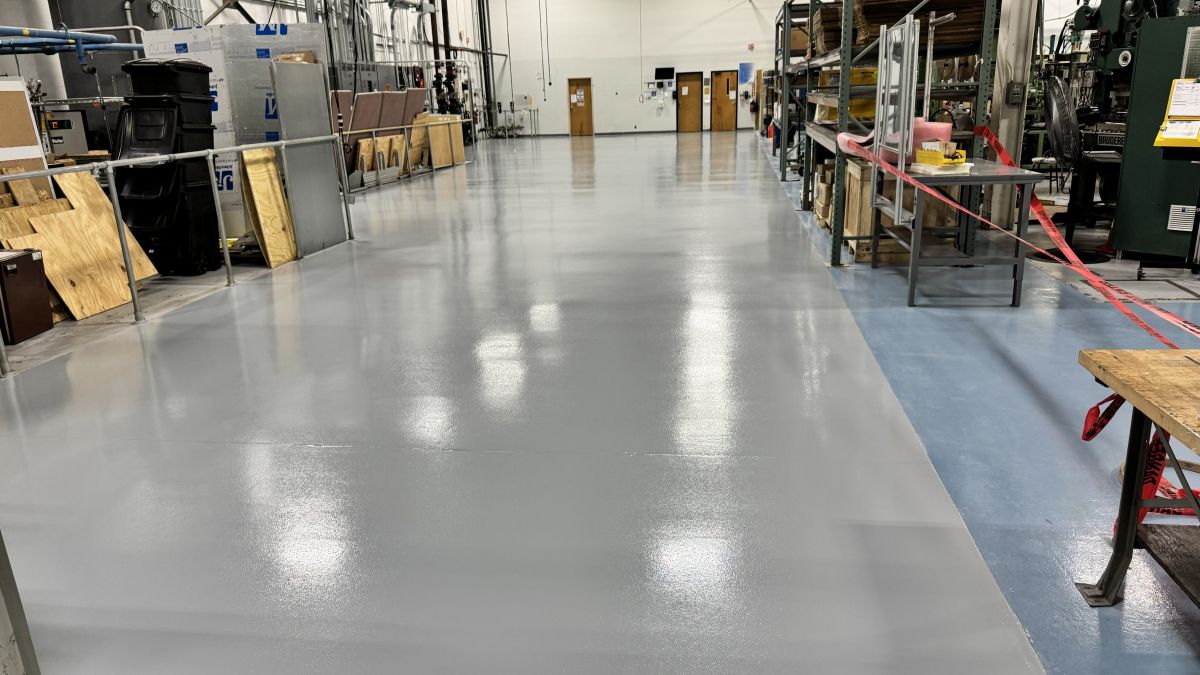
Manufacturing facilities are undergoing a transformation. Driven by automation, stricter safety regulations, and growing sustainability commitments, plant managers are rethinking every aspect of their physical infrastructure, including their floors. Industrial high traffic flooring has evolved significantly in recent years, with new materials, application methods, and smart coatings entering the market. For business leaders and operations managers, staying current with these trends is not just about keeping up. It is about finding competitive advantages in operational efficiency, worker safety, and facility longevity.
The Rise of Seamless and Chemical-Resistant Systems
Traditional tile and grout flooring systems are losing ground in industrial settings, and for good reason. Grout lines collect bacteria, chemicals, and debris. They crack under pressure and require constant maintenance. Seamless resin-based flooring systems, including polyurethane and epoxy formulations, have become the industry standard in food processing, pharmaceutical manufacturing, and chemical handling facilities. These systems eliminate the weak points that grout-based floors create, delivering surfaces that are easier to clean, more resistant to contamination, and far more durable under heavy use.
Technology-Enabled Flooring Solutions
Modern industrial high traffic flooring now incorporates technology features that were unimaginable a decade ago. Anti-static coatings protect sensitive electronic equipment in data centers and semiconductor manufacturing facilities. Conductive flooring systems reduce static discharge risks in explosive environments. Some manufacturers are beginning to embed sensor technology into floor systems to monitor load stress, moisture ingress, and temperature changes in real time. These innovations align flooring with broader Industry 4.0 goals, turning the factory floor into an intelligent part of the production ecosystem.
Sustainability and Green Building Standards
Environmental responsibility is becoming a priority for manufacturing companies, and flooring choices are part of that conversation. Low-VOC epoxy and polyurethane systems reduce harmful emissions during installation and throughout the life of the floor. Some manufacturers now offer recycled content products and flooring systems that can be removed and recycled at the end of their service life. Facilities pursuing LEED certification or similar green building standards will find that flooring material selection can contribute meaningfully to their environmental scoring.
What the Next Decade Looks Like for Industrial Flooring
As automation increases, the demands on industrial high traffic flooring will intensify. Robotic systems and autonomous guided vehicles place repetitive, concentrated loads on specific floor paths that human workers rarely use. Flooring manufacturers are already responding with products designed specifically for AGV traffic patterns. In parallel, bio-based resin formulations and waterborne coatings are gaining market share as environmental regulations tighten. Facilities that plan their flooring strategy with these trends in mind will be better positioned for the next wave of manufacturing evolution.
Conclusion
The future of industrial high traffic flooring is smarter, cleaner, and more durable than ever before. Manufacturing leaders who engage with these trends early will gain operational, safety, and environmental advantages over competitors who treat flooring as an afterthought. Now is the time to evaluate where your facility stands and plan for the next generation of floor performance.